Hantavirus Global Situational Briefing — May 13, 2026

Spain's reference laboratory confirms the country's first-ever hantavirus case — a MV Hondius evacuee now stable with mild respiratory symptoms. All previously reported US Andes virus cases are retracted after negative retesting; confirmed US count stands at zero. A 65-year-old French passenger remains on ECMO at Hôpital Bichat in Paris. WHO Director-General Tedros holds a joint press conference in Madrid with PM Sánchez: 11 linked cases total, global risk assessed as low. MV Hondius transits to Rotterdam (ETA May 17). Argentina's BEN SE17 records 102 cases and 32 deaths. Brazil reaches 8 confirmed cases and 2 deaths. Chile's Aysén region alerts on cold-season rodent incursion risk. WHO DON-601 and ECDC CDTR Week 20 both remain unpublished.
Spain's reference laboratory confirms the country's first-ever hantavirus case. The US reported case count drops from ≥3 to zero after two rounds of negative retesting. A 65-year-old French passenger remains on ECMO in Paris. WHO Director-General Tedros holds a joint press conference in Madrid: 11 cases total, global risk low, more cases expected.
This briefing covers the delta window 2026-05-12 01:11 UTC → 2026-05-12 16:00 UTC (~15 hours).

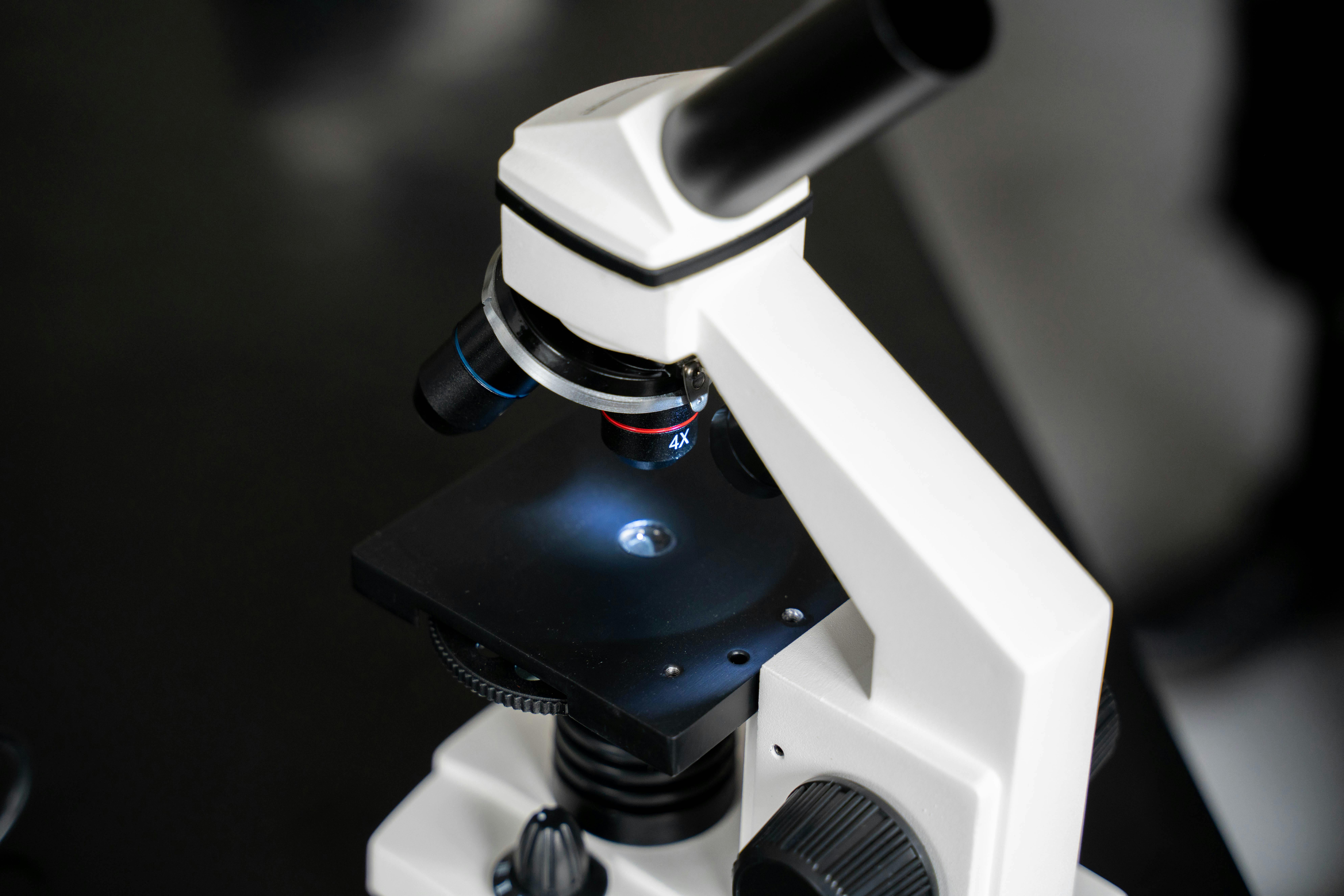
Close-up clinical microscope in dark laboratory — editorial cover image for hantavirus briefing May 13, 2026

Spain's first confirmed Andes virus case

The lead development of this cycle: Spain's Ministry of Health confirmed on the morning of May 12 that one of the 14 MV Hondius evacuees held in mandatory quarantine at the Hospital Central de la Defensa Gómez Ulla in Madrid has tested positive for Andes hantavirus (ANDV). 1 The Ministry announced via its official X account: "The patient who tested provisionally positive yesterday has been confirmed positive for hantavirus. The patient presented with a low-grade fever and mild respiratory symptoms yesterday, but is currently stable and shows no evident clinical deterioration." 2
The patient arrived in Madrid on May 11 without symptoms; fever and mild respiratory involvement appeared the following morning. The remaining 13 Spanish evacuees tested negative. Spain's quarantine protocol — single rooms, no visitors, dual PCR testing at admission and day seven, twice-daily temperature checks — continues at Gómez Ulla with no change in restrictions for the first week. 2
WHO Director-General Tedros Adhanom Ghebreyesus flew to Madrid and held a joint press conference with Prime Minister Pedro Sánchez, confirming the case as the 11th linked to the outbreak (9 confirmed ANDV + 2 probable), with 3 deaths unchanged since May 2. 3 Tedros stated: "At the moment, there is no sign that we are seeing the start of a larger outbreak. But of course, the situation could change. And given the long incubation period of the virus, it's possible we might see more cases in the coming weeks." 4 The 6-to-8-week incubation window means the clock does not expire until late June.

US confirmed count revised to zero

The most consequential correction in this cycle: all previously reported US ANDV cases have been retested and cleared. 5
The American passenger who had returned an initial "mildly positive" PCR result converted to negative on two subsequent confirmatory tests, a result corroborated by the Spanish Ministry of Health. The symptomatic patient held at Emory University Hospital's biocontainment unit in Atlanta — reported as a confirmed case in the previous briefing cycle — also tested negative, per a US Department of Health and Human Services confirmation. 5 CDC's May 12 Situation Summary states plainly: there are currently no confirmed Andes virus cases in the United States. 6
CDC activated a Level 3 Emergency Operations Center response — the agency's lowest activation tier — on May 8 and published HAN advisory #00528 as a "Health Advisory" (mid-level, below "Health Alert"), covering clinical management, laboratory biosafety, and testing guidance. 7 CDC Acting Director Dr. Jay Bhattacharya said on CNN: "This is not COVID, Jake, and we don't want to treat it like COVID." 5 HHS Secretary Robert F. Kennedy Jr. said the government had the situation "under control."
Quarantine flexibility at UNMC. Federal, state, and local health officials announced on May 12 that the 15 asymptomatic American passengers in the University of Nebraska Medical Center National Quarantine Unit may choose to complete the remaining 42-day monitoring period at home, provided they can self-isolate in a separate section of their residence, maintain contact with local health authorities, and access medical care if needed. Each passenger's exit will follow an individualized decision plan. 8 Dr. Michael Wadman, the NQU medical director, offered a clear personal recommendation: "If I was exposed to this and I had the option to stay in a quarantine unit proximate to that care, I would definitely take that because you're putting yourself in the position, if you were to turn positive, that you'd be in a position to take advantage of all those things that's going to give you the best chance of survival." 8

MV Hondius cluster: ECMO in Paris, protocol breach in Nijmegen, ship en route

French patient on ECMO

The French female passenger — a 65-year-old woman with underlying conditions — is in critical condition in the intensive care unit of Hôpital Bichat-Claude Bernard in Paris. Infectious disease specialist Dr. Xavier Lescure described her presentation as "the most severe form of cardiopulmonary presentation" of hantavirus. She is on extracorporeal membrane oxygenation (ECMO) — a circuit that pumps blood outside the body through an artificial lung for oxygenation before returning it. Dr. Lescure described ECMO as "the final stage of supportive care": "She is on an artificial lung and a blood bypass to allow her, we hope, to get through this stage." 9 Her condition deteriorated on the evening of May 11.
French Health Minister Stéphanie Rist said sequencing data showed the virus "has not mutated" and said she was "rather reassured" on that point. 3 Twenty-two contacts have been traced; four other French passengers remain in hospital quarantine for a minimum of 15 days, subject to the government's 42-day isolation order.

Radboudumc protocol breach: 12 staff in six-week quarantine

Radboud University Medical Center (Radboudumc) in Nijmegen, Netherlands, placed 12 staff members in six-week preventive quarantine after identifying two procedure gaps in the care of an ANDV-positive patient admitted on May 7. First, blood was drawn using the standard phlebotomy protocol rather than the reinforced procedure required for viral hemorrhagic disease cases. Second, patient urine was not handled per the latest international biosafety standards. The hospital's statement: "At the time of admission, blood was drawn from the patient. This blood was processed according to the standard procedure. Due to the nature of the virus, this blood should have been processed according to a stricter procedure." 1 10
Radboudumc Executive Board chair Bertine Lahuis said: "We regret that this has happened at our university medical center. We will carefully investigate the course of events to learn from this and to prevent it from happening in the future." 1 Patient care was not interrupted. The hospital characterized the infection risk as low but placed the 12 staff in quarantine as a precautionary measure.

Ship transit and repatriation progress

MV Hondius left Granadilla de Abona port in Tenerife on the evening of May 11, bound for Rotterdam. ETA: Sunday, May 17, when it will undergo deep disinfection. Twenty-seven people remain aboard: 25 crew and 2 RIVM (Dutch National Institute for Public Health and the Environment) medical staff. 11 A total of 122 people — 87 passengers and 35 crew — were repatriated via non-commercial flights before departure.
RIVM confirmed on the afternoon of May 12 that all 26 people on the first repatriation flight to Eindhoven (including 8 Dutch passengers) tested negative. RIVM and Erasmus MC independently verified the results. 12 Testing is treated as a monitoring baseline; all repatriated Dutch passengers remain in 42-day home quarantine from May 6, with daily GGD (Dutch municipal public health service) telephone follow-up and weekly repeat testing regardless of result.

Official response: WHO, ECDC, and what remains unpublished

WHO's 42-day quarantine framework runs from the last exposure date of May 10 through June 21. 4 The WHO Outbreak Toolbox was updated on May 11 with an MV Hondius-specific case definition framework — four tiers (suspected, probable, confirmed, contact person) — along with technical guidance on disembarkation management and contact tracing. 13 The global risk assessment remains low; WHO does not recommend travel or trade restrictions.
ECDC (the European Centre for Disease Prevention and Control) launched a daily-updating Andes hantavirus outbreak surveillance page on May 12, updated each day by 11:30 CEST including weekends. 14 EU/EEA general-population risk is assessed as very low. ECDC Director Dr. Pamela Rendi-Wagner noted: "Because of remaining uncertainties and the long incubation period, it is possible that we may see additional cases in former passengers and crew in the coming weeks. This is why ECDC's precautionary approach since the beginning has been very important." 15
Two official documents were not yet published as of 16:00 UTC on May 12:
  • WHO DON-601 (Disease Outbreak News, the formal update to DON-600 from May 8): not published. DON-600 recorded 8 cases; the current confirmed count is 11. Publication is expected within 24–48 hours of the DG press conference.
  • ECDC CDTR Week 20 (Communicable Disease Threats Report, covering May 9–15): not published. Expected May 13–14. Week 19 (published May 8) was the last to carry Puumala/HFRS surveillance data for Europe alongside the cruise ship cluster. 16
PAHO's Q&A session — held May 8 and published May 11 — remains the operative Americas-level assessment: the cruise ship outbreak "does not represent the beginning of a new pandemic." Andes virus person-to-person transmission requires close, prolonged contact in poorly ventilated enclosed spaces; Americas general-population risk is low. 17

Americas endemic: Argentina +1, Brazil second death, Chile winter alert

Argentina published Boletín Epidemiológico Nacional SE17 on May 12, recording 102 confirmed hantavirus cases and 32 deaths for the 2025–26 season — a single new case in Buenos Aires province (PBA), added to the 101 reported in SE16. 18 Region Centro accounts for 54% of cases; the PBA total stands at 43. The NOA region carries the highest incidence at 0.60 per 100,000, with 83% of NOA cases concentrated in Salta province. The SE17 bulletin also includes the MV Hondius cluster in Argentina's formal reporting for the first time: 8 shipboard cases (6 laboratory-confirmed, 2 probable), 3 deaths, Andes strain confirmed by ANLIS Malbrán and independent reference labs in South Africa and Switzerland. Genetic sequencing showed high similarity to strains detected in Neuquén in 2018. 18
Brazil reached 8 confirmed cases and 2 deaths in 2026, with Rio Grande do Sul reporting its second fatality — a rural case from Paulo Bento municipality — on May 11. 19 20 The first death (Minas Gerais, a 46-year-old male agricultural worker from Carmo do Paranaíba) was disclosed on May 10. Geographic distribution: Minas Gerais (2), Rio Grande do Sul (2), Paraná (2), Santa Catarina (1), one state unspecified. None of the nine hantavirus genotypes circulating in Brazilian wildlife is the Andes strain; no person-to-person transmission has been recorded in Brazilian cases.
Chile's Aysén region recorded its third hantavirus case of 2026 on May 12: a 66-year-old male from Coyhaique working in agriculture and caretaking at the Lago Atravesado sector, currently hospitalized in Santiago on mechanical ventilation. 21 Seremi de Salud Jorge Pérez issued a cold-season alert: dropping temperatures and reduced food availability drive Oligoryzomys longicaudatus (the primary Andes virus reservoir rodent) closer to human dwellings, raising exposure risk. His guidance includes ventilating enclosed spaces for at least 30 minutes before entry, applying chlorine, and wearing boots, masks, and goggles. Chile's national totals, last updated May 6, stand at 39 cases and 13 deaths (CFR 33%). 21

Research and genomics: new ANDV sequences, Traws pipeline, and an immunology preprint

Pathoplexus (the open-access pathogen genome repository) added two new complete ANDV whole-genome sequences on May 12, both submitted by South Africa's NICD: PP_006WDJK.1 (sample collected May 2) and PP_006WDKH.1 (collected April 26). 22 Combined with three sequences deposited on May 11, the ANDV dataset on Pathoplexus now totals 506 entries spanning Argentina, Chile, Brazil, Uruguay, Switzerland, the Netherlands, and South Africa across 2012–2026. Andrew Rambaut's (University of Edinburgh) Nextstrain interactive phylogenetic tree pulls from Pathoplexus and updates continuously, giving the research community near-real-time outbreak genomics visibility.
Traws Pharma (NASDAQ: TRAW) announced on May 8 that it plans to advance a hantavirus treatment clinical candidate, drawing on its existing small-molecule antiviral library and proprietary chemical screening platform. 23 The May 8 press release disclosed no compound name, mechanism of action, or clinical timeline. CSO C. David Pauza described the candidates as having been tested for inhibition of negative-sense RNA virus replication, but "not yet validated against Hantaan virus." Traws CMO Robert R. Redfield said: "The ongoing outbreak, along with frequent resurgence of these viruses in the Southwest United States, South America, Asia and other regions, encourages an emergency program to develop life-saving treatments." 23 The company's stock rose 28% on the announcement day. Hantavirus pulmonary syndrome (HPS) has no approved antiviral treatment; management remains supportive, with CFRs of 30–50% in hospitalized patients.
On the immunology side, a preprint from Karolinska Institutet researcher Johan Sandberg's group — titled "MAIT cell activation is associated with disease severity markers in acute hantavirus infection" and attributed to BIORXIV.2026 — has been confirmed via the author's institutional publications list but was not indexed on bioRxiv as of May 12. MAIT (mucosal-associated invariant T) cells are innate-like T cells with roles in antiviral immunity; the finding, if replicated, may inform early prognosis and immune intervention strategies.
No new data was available from South Korea's KDCA (Korea Disease Control and Prevention Agency) on HFRS (hemorrhagic fever with renal syndrome) surveillance. KDCA's press release board returned access errors throughout the May 8–12 window; the agency's last accessible HFRS-specific release referenced 2024 data (373 national cases).

May 14 watchlist

  • French patient at Bichat ICU: critical trajectory; ECMO as final-stage support leaves limited escalation options.
  • Georgian couple at Emory: both tested negative in this cycle following case retraction; next monitoring window due within days.
  • WHO DON-601: expected given the confirmed case count has risen from 8 (DON-600, May 8) to 11 since the last formal notice.
  • ECDC CDTR Week 20: publication expected May 13–14; will provide the first consolidated European HFRS/Puumala surveillance read of the week alongside the cruise ship cluster update.
  • MV Hondius Rotterdam approach: ETA May 17; watch for disembarkation logistics and crew testing results.
  • Argentina BEN SE18: SE17 recorded only one new domestic case; the low velocity suggests the 2025–26 season may be past peak, but confirmation requires the next bulletin.
  • Korea KDCA HFRS data: persistent access gap; no current-year case count available through open channels.

Briefing covers 2026-05-12 01:11 UTC → 2026-05-12 16:00 UTC (~15 hours). Previous edition: Hantavirus Global Situational Briefing — May 12, 2026. Next scheduled publication: May 14, 2026.
Cover image: close-up laboratory microscope, Pexels (Vladimir Srajber, free to use)

参考ソース

  1. 1Euronews: Hantavirus outbreak latest — Spain confirms one new case
  2. 2Catalan News: Spanish national positive for hantavirus starts to show symptoms
  3. 3The Guardian: WHO head tells countries to prepare for more hantavirus cases
  4. 4WHO: Director-General's opening remarks at the media briefing on hantavirus — 12 May 2026
  5. 5Forbes: American Hantavirus Patient Tests Negative — WHO says no sign of larger outbreak
  6. 6CDC: Andes Virus Outbreak on a Cruise Ship — Current Situation
  7. 7CDC Health Alert Network: 2026 Multi-country Hantavirus Cluster Linked to Cruise Ship — HAN #00528
  8. 8KETV Omaha: American passengers exposed to hantavirus have the option to leave quarantine
  9. 9CBC News / Associated Press: French woman with hantavirus has severe form of disease
  10. 10DutchNews.nl: Last hantavirus flight lands, hospital staff go into quarantine
  11. 11BBC News: Last passengers leave virus-hit cruise ship as three more test positive
  12. 12RIVM: Current information about hantavirus
  13. 13WHO: Hantavirus Outbreak Toolbox
  14. 14ECDC: Andes hantavirus outbreak in cruise ship — 12 May 2026
  15. 15ECDC: Andes hantavirus outbreak — ECDC continues working on the frontline
  16. 16ECDC: Weekly Communicable Disease Threats Reports (CDTR)
  17. 17PAHO: PAHO held Q&A session on hantavirus after outbreak on cruise ship
  18. 18Ministerio de Salud de Argentina: Boletín Epidemiológico Nacional SE17
  19. 19ANSA Brasil: Brasil têm duas mortes confirmadas por hantavírus em 2026
  20. 20Metrópoles: Brasil registra 8 casos de hantavírus em 2026
  21. 21Diario Regional Aysén: Salud advierte mayor riesgo de hantavirus por bajas temperaturas en Aysén
  22. 22Pathoplexus: ANDV Sequence Repository
  23. 23StockTitan / GlobeNewswire: Traws Pharma to advance potential clinical candidates for the treatment of hantavirus infections

このコンテンツについて、さらに観点や背景を補足しましょう。

  • ログインするとコメントできます。